Thursday, May 14, 2026

The Role of Conventional Leaf Springs in Fleet Performance Optimization


Fleet performance optimization is a top priority for transportation companies, logistics providers, construction operators, and commercial vehicle owners. In highly competitive industries, maximizing vehicle uptime, reducing maintenance costs, improving load efficiency, and ensuring driver safety are critical for profitability and operational success.

While advanced vehicle technologies often receive most of the attention, one of the most important components contributing to fleet efficiency remains the conventional leaf spring suspension system. Conventional leaf springs have been a trusted solution in commercial vehicles for decades due to their durability, load-bearing capacity, reliability, and cost-effectiveness.

From heavy-duty trucks and trailers to buses, agricultural vehicles, and industrial transport systems, conventional leaf springs continue to play a major role in supporting fleet performance across diverse operating conditions.

Understanding Conventional Leaf Springs

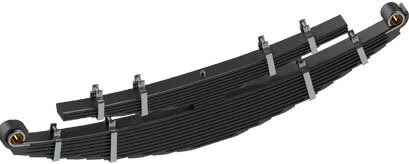
A conventional leaf spring is a mechanical suspension component made up of multiple layers of steel strips stacked together in graduated lengths. These steel plates, commonly called “leaves,” are clamped together to form a curved spring assembly.

Leaf springs serve multiple functions in a vehicle suspension system, including:

  • Supporting vehicle weight
  • Absorbing road shocks
  • Maintaining axle positioning
  • Improving ride stability
  • Distributing loads evenly

Conventional multi-leaf spring systems are widely used in commercial vehicles because of their ability to handle heavy loads under demanding operating conditions.

Why Suspension Systems Matter in Fleet Performance

Suspension systems directly influence vehicle performance, safety, maintenance requirements, fuel efficiency, and operational reliability.

For fleet operators, suspension performance affects:

  • Vehicle uptime
  • Cargo protection
  • Driver comfort
  • Tire wear
  • Fuel consumption
  • Maintenance costs
  • Load stability
  • Operational safety

A poorly performing suspension system can lead to increased downtime, expensive repairs, and reduced fleet productivity.

Conventional leaf springs provide a practical and proven solution for maintaining consistent fleet performance in heavy-duty transportation environments.

Key Ways Conventional Leaf Springs Optimize Fleet Performance

1. Superior Load-Carrying Capacity

One of the primary reasons conventional leaf springs are preferred in commercial fleets is their exceptional load-bearing capability.

Efficient Weight Distribution

Leaf springs distribute vehicle weight evenly across the axle system. This balanced load management reduces stress concentrations on suspension components and improves vehicle stability.

Heavy-duty fleets frequently transport:

  • Construction materials
  • Industrial equipment
  • Agricultural products
  • Consumer goods
  • Bulk cargo

Conventional leaf springs are designed to withstand these demanding load conditions without compromising performance.

Reduced Suspension Sagging

Strong multi-leaf spring configurations minimize suspension sagging under heavy loads. This helps maintain proper ride height, axle alignment, and vehicle balance.

As a result, fleets experience:

  • Better cargo handling
  • Improved braking stability
  • Enhanced road safety
  • Lower risk of suspension failure

2. Enhanced Durability for Long-Term Operations

Fleet vehicles often operate for extended hours under harsh conditions. Durability is essential for minimizing maintenance costs and maximizing uptime.

High Resistance to Wear and Fatigue

Conventional leaf springs are manufactured using high-strength spring steel designed to resist:

  • Fatigue stress
  • Repeated load cycles
  • Impact forces
  • Road vibrations

This durability makes them ideal for:

  • Long-haul transportation
  • Mining operations
  • Construction fleets
  • Agricultural machinery
  • Off-road commercial vehicles

Reduced Downtime

Reliable suspension systems help reduce unexpected breakdowns and maintenance interruptions.

Fleet operators benefit from:

  • Longer service intervals
  • Lower repair frequency
  • Improved operational continuity

Minimizing downtime directly improves fleet productivity and profitability.

3. Cost-Effective Suspension Solution

Fleet management requires balancing performance with operating costs. Conventional leaf springs offer a highly economical suspension solution.

Lower Manufacturing Costs

Compared to advanced air suspension systems, conventional leaf springs are:

  • Simpler in design
  • Easier to manufacture
  • More affordable to replace

This reduces initial vehicle costs and replacement expenses.

Easier Maintenance

Leaf spring systems require relatively simple maintenance procedures.

Routine maintenance typically involves:

  • Inspection for cracks or wear
  • Lubrication of moving components
  • Checking alignment and mounting hardware

The simplicity of conventional leaf spring systems lowers labor costs and minimizes maintenance complexity for fleet operators.

4. Improved Vehicle Stability and Control

Vehicle stability is critical in commercial transportation, especially when carrying heavy or uneven loads.

Better Load Balance

Conventional leaf springs help maintain proper load balance across the vehicle chassis. This improves:

  • Cornering stability
  • Braking performance
  • Steering control

Stable vehicles are safer and easier to operate, reducing accident risks.

Reduced Body Roll

Heavy commercial vehicles are prone to body roll during turns and lane changes.

Leaf spring suspension systems provide additional support that helps minimize excessive vehicle sway, improving driver confidence and road handling.

5. Reliable Performance in Harsh Conditions

Commercial fleets often operate in difficult environments where road conditions are unpredictable.

Off-Road and Rough Terrain Capability

Conventional leaf springs perform exceptionally well on:

  • Uneven roads
  • Gravel surfaces
  • Construction sites
  • Mining areas
  • Rural transportation routes

Their rugged construction allows them to absorb heavy impacts while maintaining structural integrity.

Resistance to Environmental Stress

Leaf springs are highly resistant to:

  • Dust
  • Mud
  • Moisture
  • Temperature variations

This makes them suitable for fleets operating in extreme climates and industrial conditions.

Impact on Fleet Maintenance Optimization

Conventional leaf spring
Maintenance optimization is one of the most important goals in fleet management. Suspension-related failures can lead to costly downtime and operational disruptions.

Conventional leaf springs contribute to maintenance efficiency in several ways.

Predictable Wear Patterns

Leaf spring systems generally exhibit gradual and predictable wear characteristics.

Fleet managers can schedule preventive maintenance more effectively by monitoring:

  • Spring arch condition
  • Surface wear
  • Corrosion
  • Mounting hardware

This helps avoid sudden failures and emergency repairs.

Simplified Replacement Procedures

Replacing leaf springs is often faster and less expensive compared to more complex suspension systems.

Commercial workshops are widely familiar with leaf spring maintenance, ensuring:

  • Faster service turnaround
  • Better parts availability
  • Reduced repair delays

This improves fleet availability and operational efficiency.

Lower Component Complexity

Conventional leaf spring systems have fewer electronic or pneumatic components than air suspension systems.

This reduces the risk of:

  • Sensor failures
  • Air leaks
  • Electronic malfunctions

Lower system complexity improves long-term reliability for fleet vehicles.

Fuel Efficiency and Operational Benefits

Although suspension systems are not the primary factor affecting fuel economy, they still influence overall vehicle efficiency.

Optimized Weight Support

Proper suspension support reduces unnecessary vehicle drag and axle misalignment caused by overloaded or sagging suspensions.

This contributes to:

  • Smoother vehicle movement
  • Better tire contact
  • Reduced rolling resistance

Reduced Tire Wear

Poor suspension alignment can accelerate uneven tire wear.

Conventional leaf springs help maintain:

  • Correct axle positioning
  • Balanced weight distribution
  • Stable tire contact with the road

This extends tire lifespan and lowers replacement costs across large fleets.

Role in Cargo Protection

Cargo damage can lead to financial losses, customer dissatisfaction, and operational inefficiencies.

Shock Absorption

Leaf spring systems absorb road shocks and vibrations that would otherwise transfer directly to cargo.

This is especially important for transporting:

  • Fragile goods
  • Electronics
  • Industrial equipment
  • Agricultural products

Better shock absorption helps protect valuable cargo during transit.

Driver Comfort and Safety

Driver performance is closely linked to comfort and vehicle handling.

Reduced Driver Fatigue

Suspension systems that effectively absorb road impacts help reduce physical strain on drivers during long trips.

This improves:

  • Driver alertness
  • Productivity
  • Long-distance comfort

Improved Safety

Stable suspension systems contribute to:

  • Better braking control
  • Safer load handling
  • Reduced rollover risks

Fleet safety improvements help lower accident-related expenses and insurance costs.

Conventional Leaf Springs vs. Air Suspension in Fleets

Air suspension systems have become increasingly popular in some transportation sectors. However, conventional leaf springs still offer major advantages for many fleet applications.

Feature

Conventional Leaf Springs

Air Suspension

Initial Cost

Lower

Higher

Maintenance Complexity

Low

High

Durability in Harsh Conditions

Excellent

Moderate

Load-Carrying Strength

Very High

High

Repair Costs

Lower

Higher

Off-Road Suitability

Excellent

Moderate

Component Simplicity

Simple

Complex

For fleets operating in rugged conditions with heavy loads, conventional leaf springs often remain the more practical and cost-effective option.

Technological Advancements in Conventional Leaf Springs

Modern leaf spring systems continue to evolve with advancements in materials and manufacturing processes.

Recent Innovations Include:

  • Improved alloy steel compositions
  • Computer-aided stress analysis
  • Shot peening for fatigue resistance
  • Enhanced corrosion protection
  • Optimized spring geometry
  • Lightweight spring designs

These innovations improve durability, reduce weight, and extend service life.

Industries That Rely on Conventional Leaf Springs

Conventional leaf springs remain essential across numerous industries.

Common Applications Include:

  • Freight transportation
  • Construction fleets
  • Mining operations
  • Agricultural vehicles
  • Public transportation buses
  • Military transport vehicles
  • Trailers and semi-trailers

Their versatility and reliability make them suitable for diverse commercial applications.

Best Practices for Fleet Operators

Fleet operators can maximize suspension performance through proper maintenance and management practices.

Recommended Practices Include:

  • Regular suspension inspections
  • Monitoring spring alignment
  • Preventing overloading
  • Replacing worn bushings and shackles
  • Addressing corrosion early
  • Following manufacturer load limits

Preventive maintenance improves service life and reduces operational risks.

The Future of Conventional Leaf Springs in Fleet Operations

Despite growing interest in advanced suspension technologies, conventional leaf springs are expected to remain highly relevant in commercial fleets.

Reasons Include:

  • Proven reliability
  • Lower ownership costs
  • Ease of maintenance
  • Heavy-load capability
  • Excellent durability

Future developments will likely focus on:

  • Weight reduction
  • Improved fatigue resistance
  • Enhanced corrosion protection
  • Hybrid suspension integration

Conventional leaf springs will continue evolving to meet the changing needs of modern transportation industries.

Final Thoughts

Conventional leaf spring play a critical role in fleet performance optimization by delivering durability, stability, load support, reliability, and cost efficiency. Their ability to withstand demanding operating conditions while minimizing maintenance requirements makes them an ideal suspension solution for commercial vehicles and heavy-duty fleets.

For fleet operators focused on maximizing uptime, reducing operating costs, and improving vehicle safety, conventional leaf springs remain one of the most dependable and practical suspension technologies available.

As transportation industries continue to grow and evolve, conventional leaf spring systems will remain a cornerstone of efficient and reliable fleet operations across the world.


Wednesday, December 18, 2024

How to use Conventional Leaf Springs for improving vehicle functionality?


Leaf springs are sturdy suspension elements used in heavy vehicles to absorb shocks. They are essential for supporting the weight of vehicles and making sure that the wheels run properly on the road.


One of the most widely used types of leaf springs is conventional leaf springs. These leaf springs have several layers of metal strips, also known as leaves. These leaves are usually stacked one over the other and have an arc-like shape. This offers better suspension flexibility, endurance, and enhances overall performance.


Here is a look at the essential features of Conventional Leaf Springs.

Structure of the Conventional Leaf Springs

These leaf springs are made from superior-quality alloy steel, which makes them sturdy and robust, yet flexible. The longest layer is the master leaf and has eyes at its two ends for efficient mounting. They also have graduated leaves, which are shorter layers and provide the vehicle with additional support.

Mounting of the Conventional Leaf Springs

conventional leaf spring
One of the ends of these leaf springs is fixed to the vehicle’s frame, typically a shackle or a hanger. The other end is secured to a moveable bracket or shackle. The center is connected to the vehicle’s axle.

Types of the Conventional Leaf Springs

There are three different types of conventional leaf springs that you can find in the market.

Here is a closer look at them.

  • Semi-Elliptical Leaf Spring: This is the most common type of conventional leaf spring. In this type, the arc resembles the half of an ellipse.
  • Full-Elliptical Leaf Spring: This type combines two semi-elliptical springs in a single unit to create a full elliptical shape.
  • Parabolic Leaf Spring: The parabolic leaf springs are characterized by a tapered design that ensures better flexibility with a much lighter weight.

Setting up the Conventional Leaf Springs

Look at the basic method of installation and setting up the Conventional Leaf Springs.

Installing the conventional leaf springs:

  • First, you need to mount the eyes of the main or master leaf onto the shackles or hangers on the vehicle’s chassis.
  • Next, align the center bolt with the axle to ensure proper load distribution.
  • Use some U-bolts to secure the leaf spring to the vehicle’s axle.
  • Finally, all the bolts must be tightened to the torque values recommended by the manufacturer.

Maintenance of the conventional leaf springs:

  • Lubrication: You must lubricate the leaves periodically to prevent inevitable squeaking and rust.
  • Inspection: Make sure that you inspect the leaves regularly for corrosion, cracks, or sagging.
  • Alignment: It is also important that you have the spring properly aligned with the frame and axle.

Adjusting the conventional leaf springs for better functioning:

If you find the vehicle sagging on one side, the springs have already worn out. In such cases, do not hesitate to replace them with new springs or consult a specialist for additional support.

So, make sure that you get the best quality conventional leaf spring for your vehicle and improve its load-bearing capacity.


Saturday, June 8, 2024

The Impact of Conventional Leaf Springs on Towing Capacity


Towing capacity is a critical factor for vehicles designed to haul trailers, boats, or heavy equipment. One of the key components influencing a vehicle's towing capacity is its suspension system, specifically the leaf springs. Conventional leaf springs, despite being an older technology, continue to play a significant role in the performance and safety of towing vehicles. This article explores how conventional leaf springs impact towing capacity, their advantages, limitations, and considerations for those seeking to maximize their vehicle's towing potential.

Leaf springs are one of the oldest forms of vehicle suspension. They consist of several layers of metal, called leaves, which are stacked together and mounted to the axle. This design provides a durable and robust solution for supporting heavy loads, making them ideal for trucks, SUVs, and other towing vehicles.

Mechanics of Leaf Springs

 Structure and Design

Conventional leaf springs are typically made from high-grade steel and feature a simple yet effective design. The spring pack is attached to the frame of the vehicle at both ends, while the axle is mounted to the center of the spring pack. This configuration allows the leaf springs to absorb shocks and distribute the weight of the load evenly across the axle.

 Functionality

When a vehicle tows a load, the leaf springs flex to absorb the weight and reduce the impact of bumps and uneven terrain. This flexing action helps to maintain stability and control, preventing excessive bounce and sway that could lead to unsafe driving conditions. The leaf springs' ability to distribute weight also plays a crucial role in maintaining the vehicle's alignment and tire contact with the road.

Impact on Towing Capacity

 Load Distribution

One of the primary ways conventional leaf springs impact towing capacity is through their ability to distribute weight. Proper load distribution is essential for safe towing, as it prevents overloading of the rear axle and ensures that the vehicle maintains balanced handling characteristics. Leaf springs help achieve this balance by spreading the load evenly across the axle, which is vital for maintaining control and preventing damage to the suspension components.

 Stability and Control

Conventional leaf spring
Leaf springs contribute significantly to the stability and control of a towing vehicle. By absorbing shocks and reducing sway, they help keep the trailer in line with the towing vehicle, especially during turns and sudden maneuvers. This stability is crucial for preventing accidents and ensuring a smooth towing experience.

 Weight Capacity

The design and material of leaf springs directly affect their weight capacity. High-quality steel leaf springs are capable of supporting substantial loads, which in turn enhances the towing capacity of the vehicle. The number of leaves and their thickness can be adjusted to increase the spring's load-bearing capacity, allowing for customization based on specific towing needs.

 Advantages of Conventional Leaf Springs

 Durability

One of the most significant advantages of conventional leaf springs is their durability. Made from robust materials, leaf springs are capable of withstanding harsh conditions and heavy loads over extended periods. This durability makes them an excellent choice for towing vehicles that are frequently used in demanding environments.

 Cost-Effectiveness

Conventional leaf springs are generally more affordable than other suspension systems. Their simple design and widespread availability contribute to lower manufacturing and replacement costs. This cost-effectiveness makes them an attractive option for vehicle owners looking to enhance their towing capacity without significant investment.

 Ease of Maintenance

Leaf springs require relatively low maintenance compared to more complex suspension systems. Regular inspections and occasional lubrication are typically sufficient to keep them in good working condition. Additionally, their straightforward design allows for easy repairs and replacements, further reducing maintenance costs and downtime.

Enhancing Towing Capacity with Leaf Springs

 Upgrading Leaf Springs

For those looking to maximize their vehicle's towing capacity, upgrading the leaf springs can be an effective solution. Installing higher-rated leaf springs or adding additional leaves to the spring pack can increase the load-bearing capacity, allowing the vehicle to tow heavier loads safely.

Adding Helper Springs

Helper springs are auxiliary springs that work in conjunction with the existing leaf springs to provide additional support when towing heavy loads. They can be installed relatively easily and provide a cost-effective way to enhance the towing capacity and stability of the vehicle.

Using Load Equalizing Hitches

Load equalizing hitches help distribute the weight of the trailer more evenly across the towing vehicle's axles. When used in conjunction with leaf springs, these hitches can improve stability, control, and overall towing capacity. They are especially beneficial for reducing rear-end sag and maintaining proper alignment.

 Regular Maintenance

Maintaining the leaf springs in good condition is essential for maximizing towing capacity. Regular inspections for wear and tear, proper lubrication, and timely replacements of worn components can ensure that the leaf springs continue to perform effectively. Keeping the suspension system in top shape helps prevent failures and enhances the safety of towing operations.

Future Trends and Innovations

 Improved Materials

Advancements in materials science are leading to the development of lighter and stronger leaf springs. New alloys and composite materials are being explored to reduce the weight of leaf springs while maintaining or even enhancing their load-bearing capacity. These innovations can improve fuel efficiency and performance without compromising on towing capacity.

 Integration with Advanced Suspension Systems

Modern vehicles are increasingly integrating leaf springs with advanced suspension technologies. For example, combining leaf springs with electronically controlled dampers can provide a balance between load-bearing capability and ride comfort. This integration allows for better adaptability to different driving conditions and load requirements.

 Smart Suspension Systems

The rise of smart suspension systems, which use sensors and actuators to dynamically adjust the suspension settings, is also impacting the use of leaf springs. These systems can optimize the performance of leaf springs by automatically adjusting to the weight and distribution of the load. This real-time adjustment enhances safety, stability, and comfort, making leaf springs a more versatile component in modern towing vehicles.

Conventional leaf spring  remain a vital component in the towing capabilities of many vehicles. Their durability, cost-effectiveness, and load-bearing capacity make them a reliable choice for heavy-duty applications. While they have some limitations in terms of ride comfort and adjustability, advancements in materials and integration with modern suspension technologies are addressing these challenges.

For vehicle owners looking to maximize their towing capacity, understanding the mechanics and impact of leaf springs is crucial. Upgrades, proper maintenance, and the use of supplementary components like helper springs and load equalizing hitches can significantly enhance performance. As innovations continue to evolve, the role of conventional leaf springs in towing is set to become even more significant, offering improved efficiency, safety, and versatility.

By appreciating the strengths drivers can make informed decisions to optimize their towing setups, ensuring safe and efficient hauling for various needs.

Saturday, January 6, 2024

The Role of Conventional Leaf Springs in Heavy-Duty Trucks and Commercial Vehicles


Heavy-duty trucks and commercial vehicles form the backbone of industries worldwide, transporting goods and people across vast distances. One critical component that plays a pivotal role in ensuring the stability, load-bearing capacity, and overall performance of these robust vehicles is the conventional leaf spring suspension system.

The suspension system of heavy-duty trucks and commercial vehicles is engineered to withstand the immense challenges posed by long-haul transportation, uneven terrains, and substantial cargo loads. Conventional leaf springs, a time-tested and reliable technology, continue to dominate this sector, offering a unique set of advantages.

Anatomy of Conventional Leaf Springs

Conventional leaf springs consist of multiple layers or leaves of spring steel bound together to form a single unit. These springs are attached to the vehicle's chassis and axle, providing support and absorbing shocks generated by road irregularities. The layers, varying in length and thickness, contribute to the spring's flexibility and load-bearing capabilities.

Load-Bearing Capacity

One of the primary functions of conventional leaf springs in heavy-duty trucks is managing the weight and load distribution. The design allows these springs to handle substantial loads, making them ideal for commercial vehicles that frequently transport heavy cargo. The layered structure ensures that the weight is evenly distributed across the axle, preventing excessive stress on individual components.

Stability and Control

Conventional leaf springs play a crucial role in maintaining stability and control, especially during high-speed maneuvers or when navigating challenging terrains. The springs resist lateral forces, preventing excessive swaying or tilting of the vehicle. This stability is essential for ensuring driver confidence, passenger comfort, and overall road safety.

Durability and Reliability

In the demanding world of heavy-duty transportation, durability is non-negotiable. Conventional leaf springs are known for their robustness and resistance to wear and tear. The simplicity of their design, with fewer moving parts compared to other suspension systems, contributes to their reliability and ease of maintenance.

Adaptability to Various Terrains

Conventional Leaf Spring
Heavy-duty trucks and commercial vehicles often traverse diverse landscapes, from smooth highways to rugged off-road terrains. Conventional leaf springs exhibit a remarkable ability to adapt to different conditions. The layered structure allows for sufficient flex, ensuring that the wheels maintain contact with the road surface even in challenging environments.

Cost-Effectiveness

Another factor contributing to the widespread use of conventional leaf springs in heavy-duty applications is their cost-effectiveness. The manufacturing process is relatively straightforward, and the materials used are durable and readily available. This translates to a lower overall cost, a crucial consideration for fleet operators and businesses managing large vehicle fleets.

Maintenance and Reparability

While heavy-duty vehicles endure harsh conditions, they are not immune to wear. The simplicity of conventional leaf springs simplifies the maintenance and repair processes. Individual leaves can be replaced or added to adjust load-bearing capacity without extensive downtime or costly repairs.

Innovations in Leaf Spring Technology

Despite their longstanding presence, conventional leaf springs have not remained stagnant in terms of technological advancements. Manufacturers continue to innovate, introducing variations such as parabolic leaf springs that offer a more progressive spring rate, enhancing ride comfort and load-carrying capabilities.

Challenges and Considerations

While conventional leaf springs have proven their worth in heavy-duty applications, they are not without challenges. The rigidity of the suspension system, while beneficial for load-bearing, can result in a slightly stiffer ride compared to other systems. However, ongoing research and development aim to address these challenges, striking a balance between load capacity and ride comfort.

Environmental Considerations

In an era where sustainability is a growing concern, the environmental impact of transportation technologies comes under scrutiny. Conventional leaf spring  , primarily made of steel, are recyclable, contributing to the eco-friendly aspects of heavy-duty vehicle design. The recycling process helps reduce the demand for raw materials and minimizes the carbon footprint associated with manufacturing.

In the intricate tapestry of heavy-duty truck and commercial vehicle design, conventional leaf springs emerge as a resilient and indispensable element. Their ability to handle heavy loads, provide stability across various terrains, and offer cost-effective solutions makes them the preferred choice for many industries. As technological advancements continue, the role of conventional leaf springs in shaping the future of heavy-duty transportation remains pivotal, ensuring that these vehicles continue to navigate our roads with strength, stability, and reliability.

The Role of Conventional Leaf Springs in Fleet Performance Optimization

  Fleet performance optimization is a top priority for transportation companies, logistics providers, construction operators, and commercial...